Key points
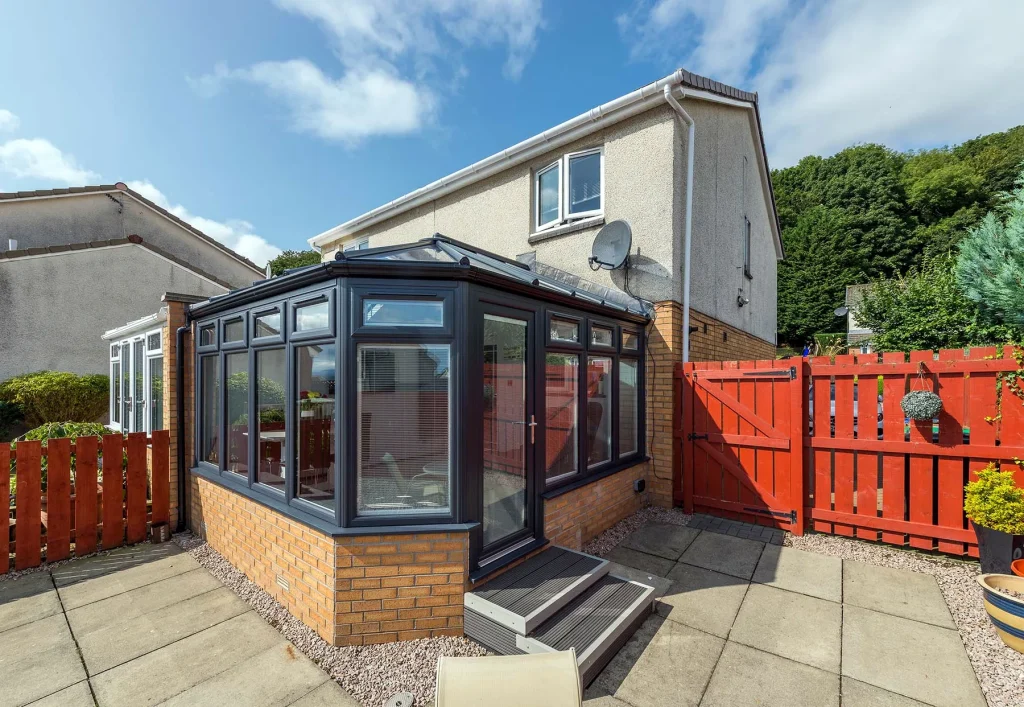
- The roof has the biggest effect on how comfortable a conservatory feels
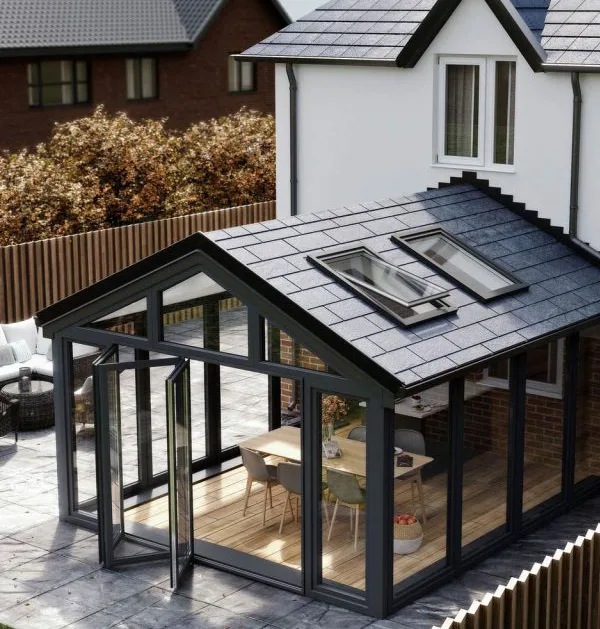
- Tiled and solid roofs help keep temperatures more even and reduce rain noise
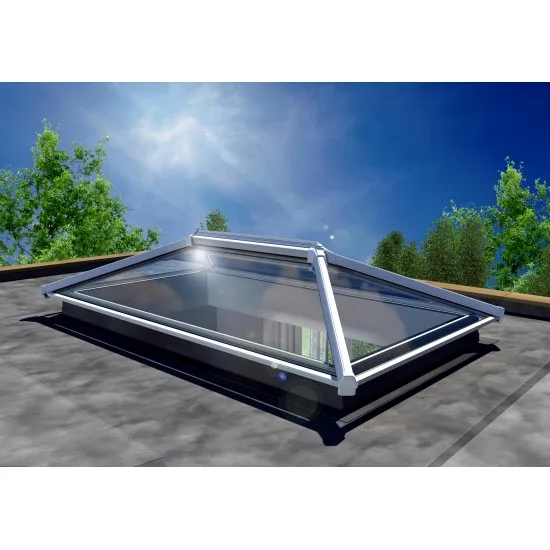
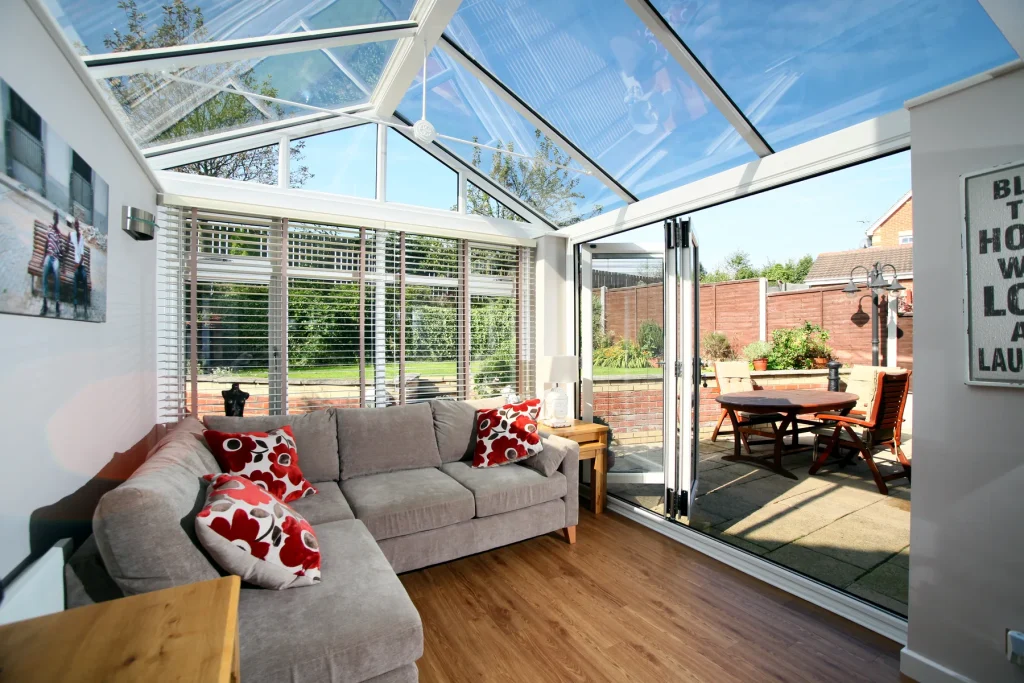
- Modern glass roofs keep maximum light
- Solid roofs often need building regulations approval
Why replace a conservatory roof?
Many older conservatories have polycarbonate or early glass roofs that let heat escape in winter and build up in summer. Replacing the roof, while keeping sound frames and a solid base, is often a cost-effective way to turn an underused room into everyday living space.
Tiled roofs
A lightweight tiled roof gives the look of a proper extension, helps keep the temperature more stable and greatly reduces rain noise. Inside, the ceiling can be plastered and fitted with lighting. Roof windows or glazed panels can be added to keep the room bright.
Solid insulated roofs
Solid roofs work in a similar way to tiled roofs, with an insulated structure and a finished ceiling inside. They are a good choice where you want comfort first and a clean, modern finish.
Glass roofs
If you love the light of a traditional conservatory, a modern glass roof can improve on old polycarbonate while keeping the open, airy feel. Glass choices can help manage heat from the sun.
Building regulations
Replacing a glazed or polycarbonate roof with a solid or tiled roof often requires building regulations approval, and the existing structure must be strong enough to support the new roof. We will explain what applies to your project and assess your conservatory at survey.
Is a new roof right for you?
A roof replacement makes most sense when the frames, walls and base are in good condition. If they are not, we will tell you honestly and talk through alternatives. See our conservatory roof replacement page for more.
Need advice for your home? Our team can talk you through the options and give you a free, no-obligation quote, valid for 30 days.